
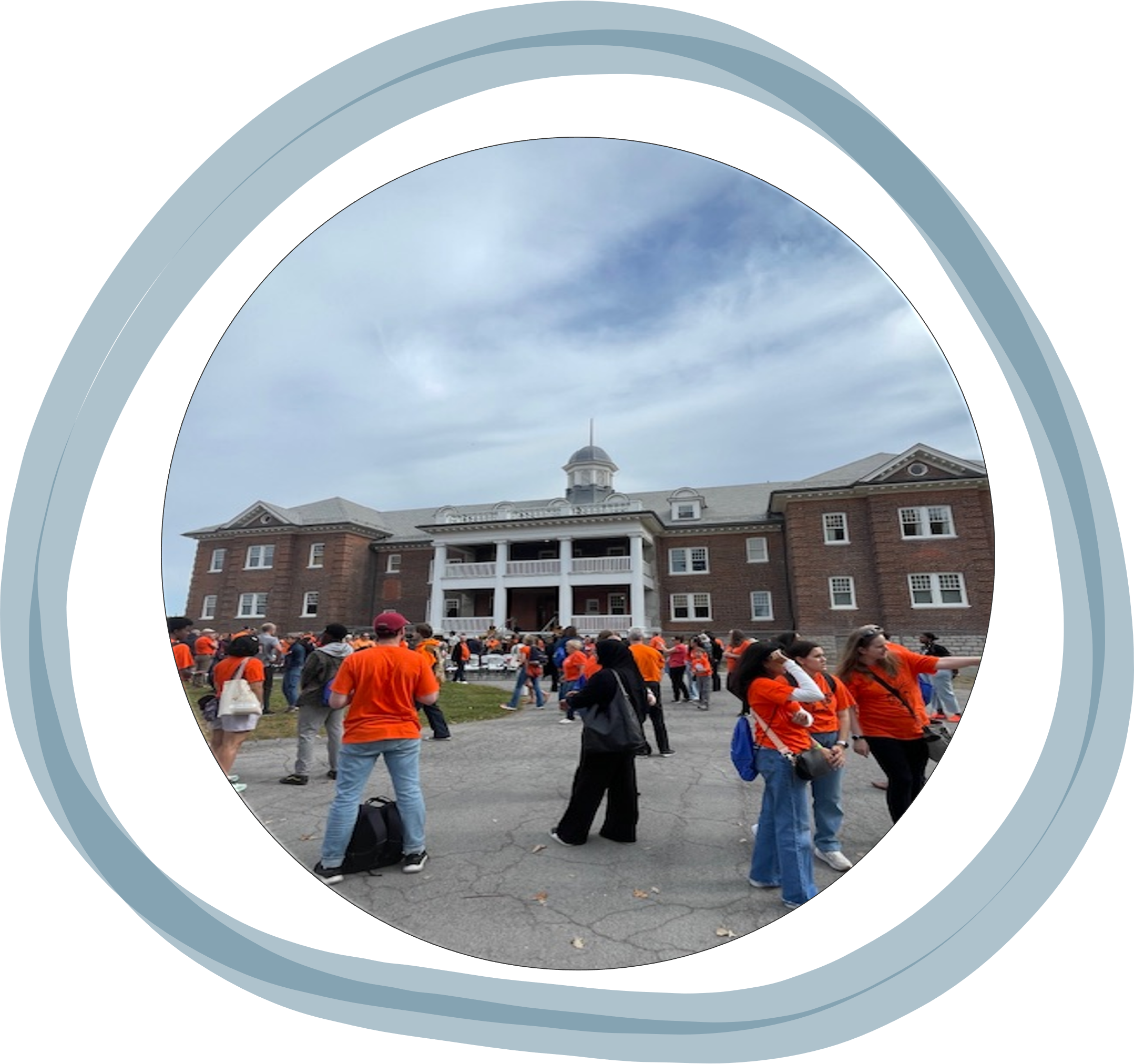
NATIONAL DAY FOR TRUTH AND RECONCILIATION
Wednesday, September 30, 2026
Today, I attended a National Day for Truth and Reconciliation experience at the former Mohawk Institute Residential School in Brantford, Ontario. It was Canada's longest-running residential school, in operation for 142 years.
The children who attended called it the "Mush Hole" because of the rotten, foul-tasting porridge and gruel that they were served at each meal.
The building has undergone major renovations and is now a museum that is dedicated to truth-telling. And that truth is something we all need to know about.
There are boxes of tissues all around the building, thankfully, as I needed quite a few after reading or listening to the stories from some of the survivors about the atrocities that happened within its walls.
we’ve launched a new workshop!

We’re excited to introduce our newest workshop, Cultural Dissonance: Moral Distress, developed specifically for child protection professionals and supervisors. Those working in child protection often navigate complex situations where cultural values, professional responsibilities, legislation, and system requirements can come into conflict. These experiences can create significant emotional and ethical challenges, and they are not always easy to name or talk about.
This workshop provides a safe and reflective space to explore cultural dissonance, cognitive dissonance, moral distress, and moral injury, and to better understand how these experiences can affect individuals and teams. Participants will explore real-world challenges, reflect on their own experiences, and identify practical strategies and supports that can help reduce the impact of these challenges.
At First Health Solutions, we believe that supporting those who support children and families is an important part of creating healthier systems and workplaces. Cultural Dissonance: Moral Distress is designed to help practitioners navigate difficult situations while protecting children and honouring culture, conscience, and care.
the best kind of thank you
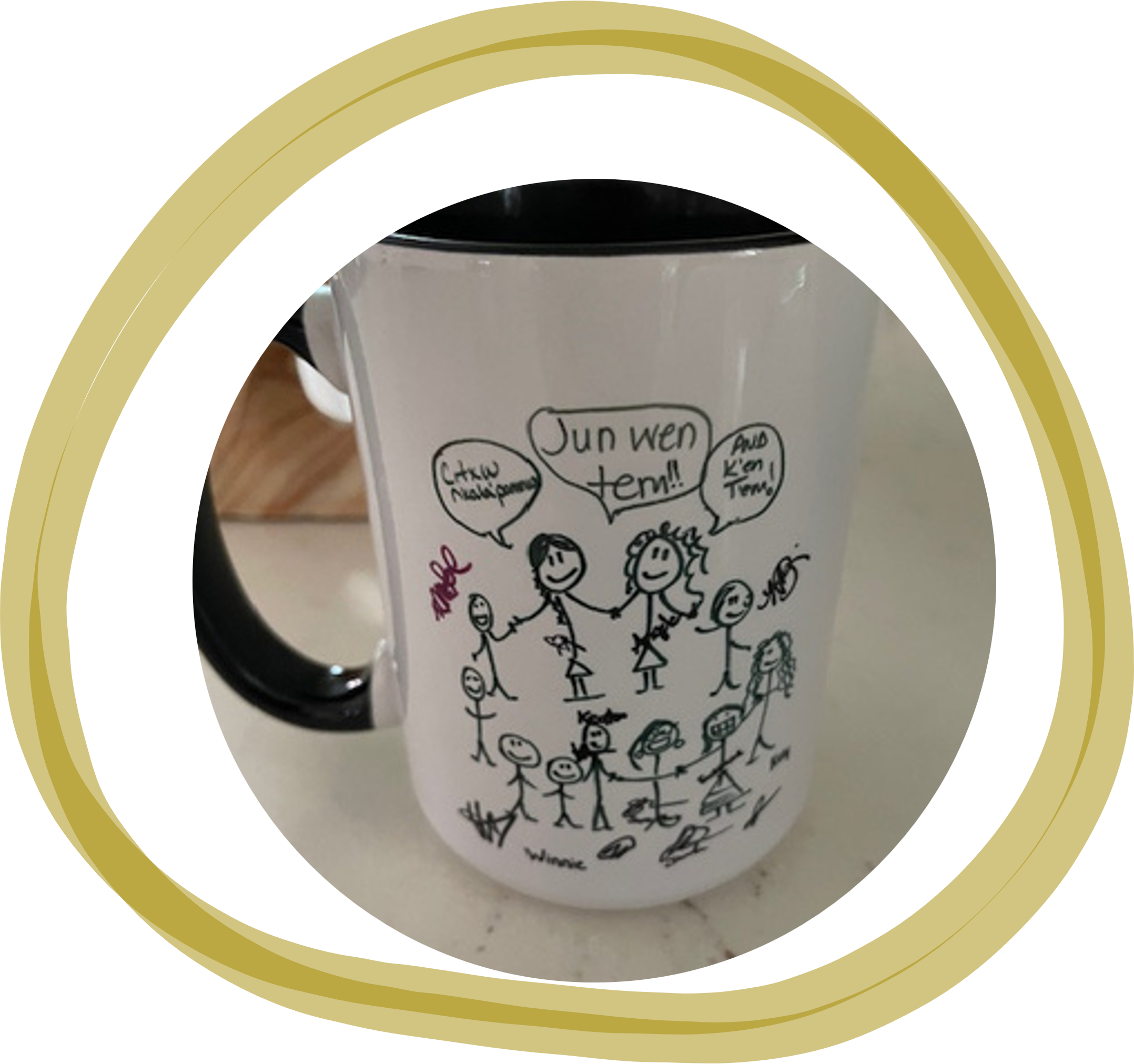
We had so much fun recently in Merritt, BC, working with Shackan Indian Band and K'en T'em Limited. The highlight of the week was receiving this mug, made overnight by one
of the workshop participants so we could take them home with us.
The hand-drawn illustration was inspired by one of our group activities, representing lateral kindness by standing in a circle and supporting one another.
QUIET QUITTING: A SYMPTOM OF A LARGER PROBLEM
Quiet quitting has become a popular term to describe employees who do only what's expected of them, withdrawing from their work without actually leaving their job. While burnout and workload can play a role, quiet quitting is often a symptom of something deeper.
When employees don't feel psychologically safe, experience conflict, gossip, exclusion, or other forms of lateral violence, it can become easier to disengage than to continue investing emotionally in the workplace. Over time, this will affect the their productivity, even those of high performers, as well as the overall health of an organization.
At First Health Solutions, we believe the answer isn't telling people to "re-engage". It's creating workplace cultures where people want to engage in the first place. Through our Lateral Violence to Lateral Kindness workshops, we help participants build practical skills in healthy communication, conflict resolution, and navigating power dynamics with kindness and respect.
By addressing the root causes of unhealthy workplace dynamics, we can create environments where people feel valued, supported, and empowered to contribute their best.
What is Lateral Violence?
We get asked this question a lot. What exactly is Lateral Violence?
Workplace wellness and psychological safety are essential to building strong organizations and healthy communities. Yet across many sectors, including Indigenous organizations, healthcare, education, and social services, harmful workplace behaviours continue to affect teams in significant ways.
In Indigenous communities, lateral violence is often understood within the broader context of colonization, intergenerational trauma, racism, and systemic oppression. The term lateral refers to harmful behaviours that occur between peers, coworkers, or community members rather than from someone in a position of authority.
While the behaviours themselves may appear as gossip, bullying, undermining, shaming, or exclusion, the deeper concern is the impact these patterns have on relationships, wellness, and community safety.
For a bit more detail, check out this full article.
The Joy of working with Youth
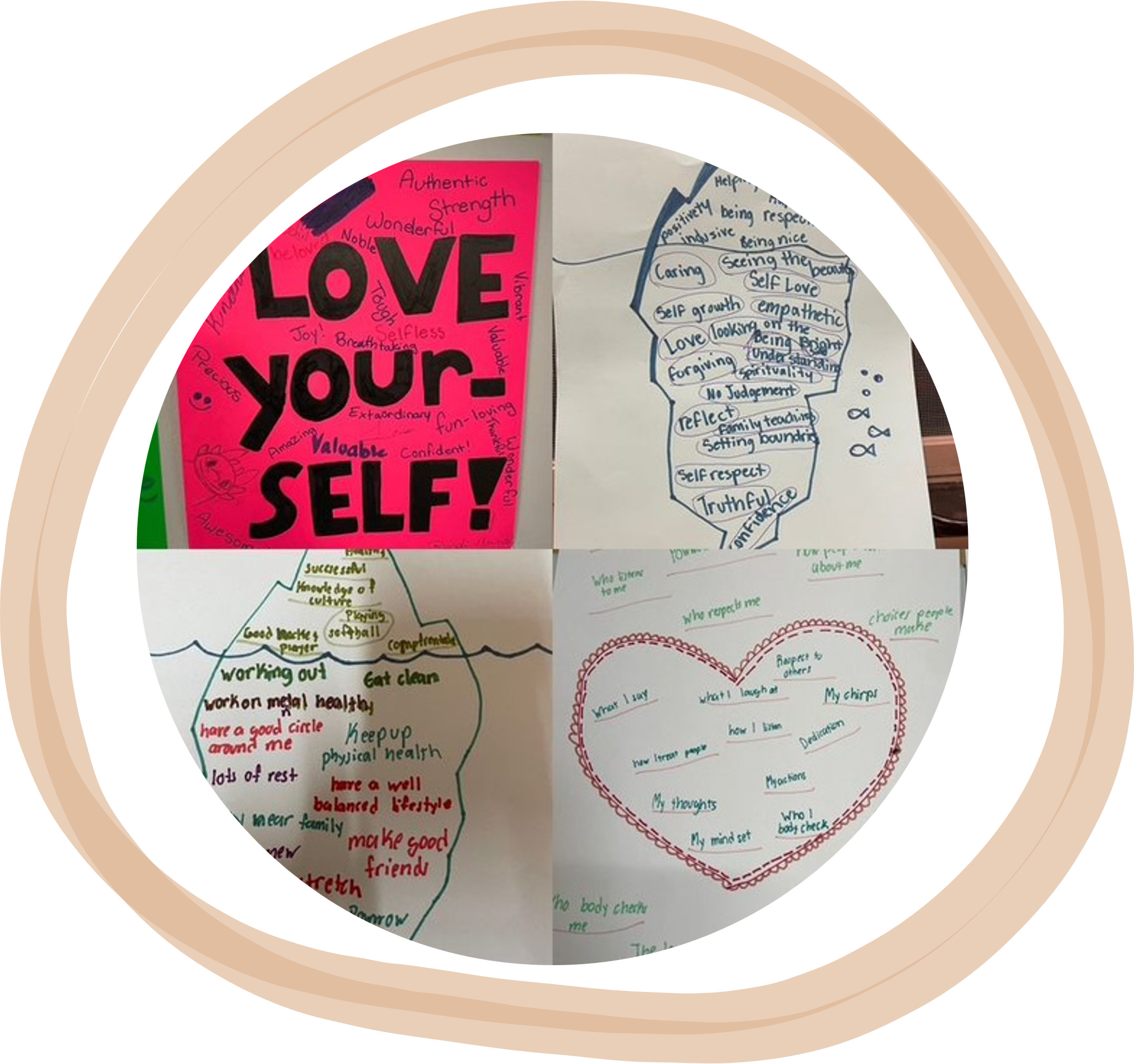
We love working with Youth and Young Adults. It's so rewarding, and often very humbling. They are VERY honest and not afraid to give constructive feedback so I'm constantly adapting and making changes as I go (sometimes mid-session!).
But in all of our Youth Leadership workshops, we use simple, creative activities like Icebergs of Kindness, “What’s in my control/out of my control,” and personal reflection posters. More than anything, it’s about creating a space where they feel safe enough to be real.
It's not really about the art, but the thought, reflection, and courage behind each piece.
the power of sharing circles
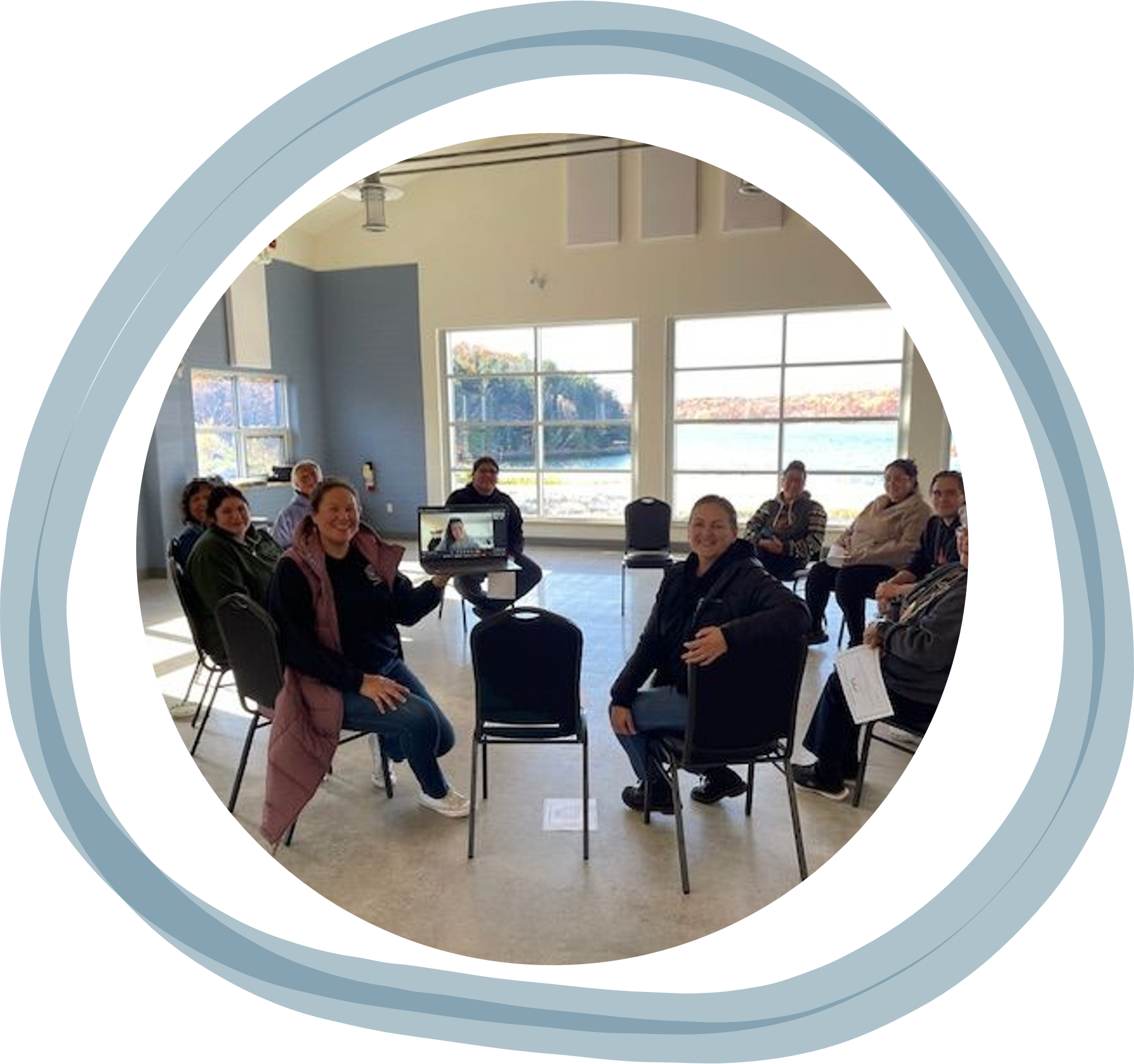
I've learned a lot over the past few years, and if I could go back in time to my previous roles, I would do things a little differently. And I would start with team meetings:
At least once a week, we would have formed a circle. No boardroom tables, no phones, no slides. We'd just sit in our chairs (or stand) in a circle and talk about either our plans for the week, a look back at the week, or something that matters to us or that we need to get out. The benefits:
𝗘𝘃𝗲𝗿𝘆𝗼𝗻𝗲 𝗴𝗲𝘁𝘀 𝘂𝗻𝗶𝗻𝘁𝗲𝗿𝗿𝘂𝗽𝘁𝗲𝗱 𝘁𝗶𝗺𝗲 𝘁𝗼 𝘀𝗽𝗲𝗮𝗸. How? By passing around a "talking object"; meaning, nobody else is speaking other than the one holding it. In my workshops, we use an eagle feather that was gifted to me by a community member in Fort St. James, BC - but really, it could be anything.
𝗘𝗺𝗯𝗿𝗮𝗰𝗶𝗻𝗴 𝘀𝗶𝗹𝗲𝗻𝘁 𝗽𝗮𝘂𝘀𝗲𝘀. I used to think that if someone paused too long while speaking, that they were struggling to find the words and felt uncomfortable, so I would "help" by finishing their thought or sentence, thereby interrupting them. Sometimes we're just reflecting on what we want to say. If we're still holding the feather or object, we're not done.
𝗟𝗶𝘀𝘁𝗲𝗻𝗶𝗻𝗴 𝗱𝗲𝗲𝗽𝗹𝘆. Without a desk, phone, or slide, we're really focusing on the person who's speaking and listening with intent and interest.
𝗬𝗼𝘂'𝗿𝗲 𝗻𝗼𝘁 𝗳𝗼𝗿𝗰𝗶𝗻𝗴 𝗽𝗮𝗿𝘁𝗶𝗰𝗶𝗽𝗮𝘁𝗶𝗼𝗻. If you want to pass, you can! Simply move the talking object on, which tells everyone you're not ready to contribute but you are still listening. You don't need to say or explain anything.
Teams need to work together, in collaboration. That means giving each other time just as you would do for your clients or customers.
on the road again
Suzanne Burrows-Paliwoda
At the end of 2025, I wrapped up being on the road for five straight weeks. Five weeks of delivering workshops in communities from Fort St. James to Whistler, BC. And while I loved the work, I also felt kind of homesick.
It wasn’t the long drives that got to me (throw on some good tunes or a podcast and I was fine). It wasn’t even eating dinner alone some nights. It was just being away from home for that long. Missing my own bed, my family, my friends, my old dog, my car.
I’d never really felt that before, and now I get what it means to feel homesick. And while I wouldn’t change what I do, I might rethink being on the road for that long a stretch.
So as we settle back into new (or old) routines, this post is just to send a little love to anyone missing home today. To all the university students counting down to a weekend at home (including my own kids), those of you who travel often for work, or anyone who’s away for another reason. 🧡
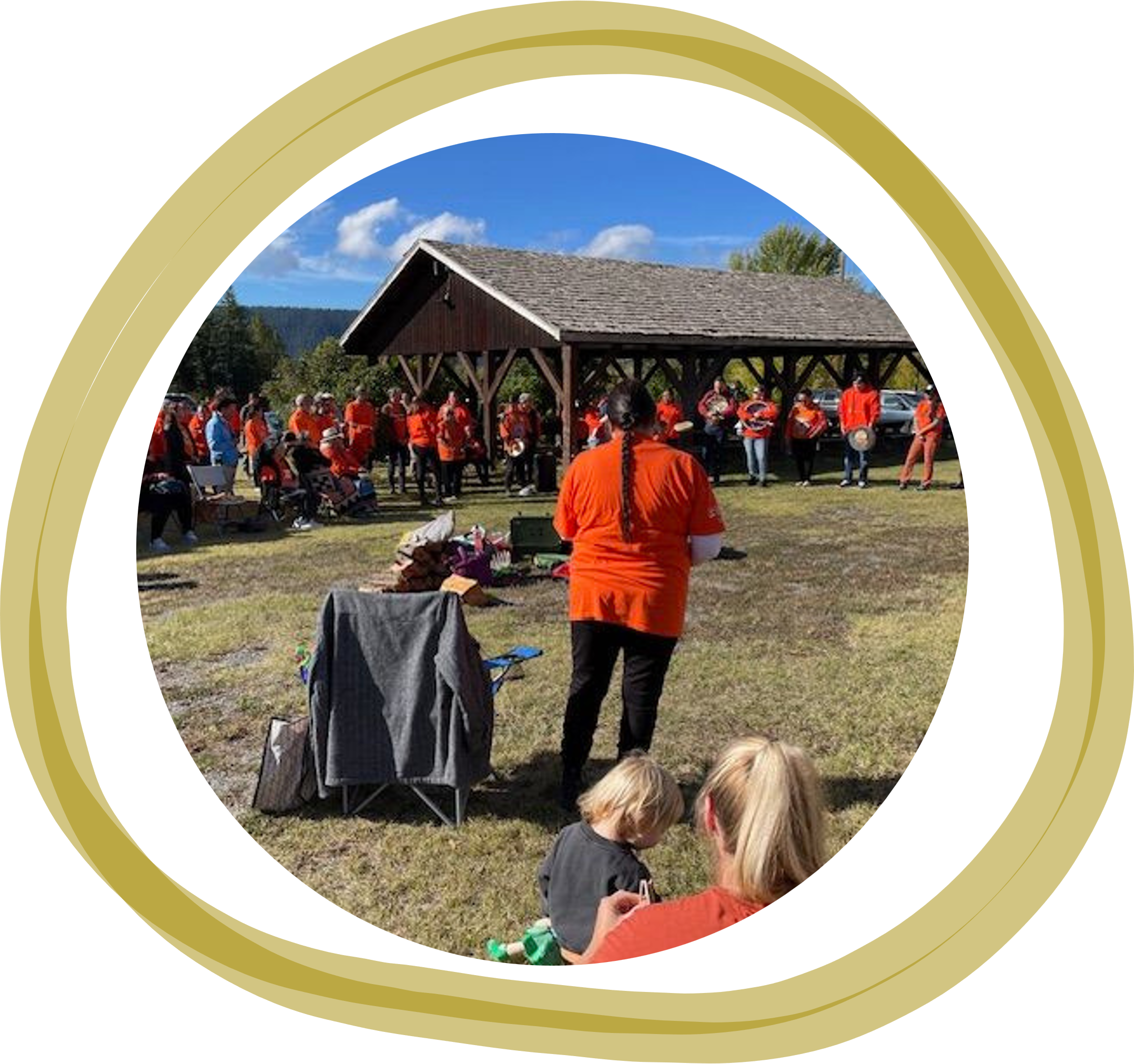
National Day for Truth and Reconciliation
We were grateful to attend a ceremony today at Williams Lake First Nation in recognition of the National Day for Truth and Reconciliation.
Williams Lake, BC is where Orange Shirt Day began, and is where Phyllis Webstad’s new orange shirt was taken from her on her first day at St. Joseph Mission Residential School. The former grounds still stand here and investigations at the site continue.
The ceremony included smudging, drumming, stories, speeches, and a Sacred Fire. It was moving and beautiful, but is also a reminder of why this day matters; to honour those who were taken to residential schools, the children who never returned, and to stand alongside Survivors, their families, and their communities.
Crabs in a Bucket
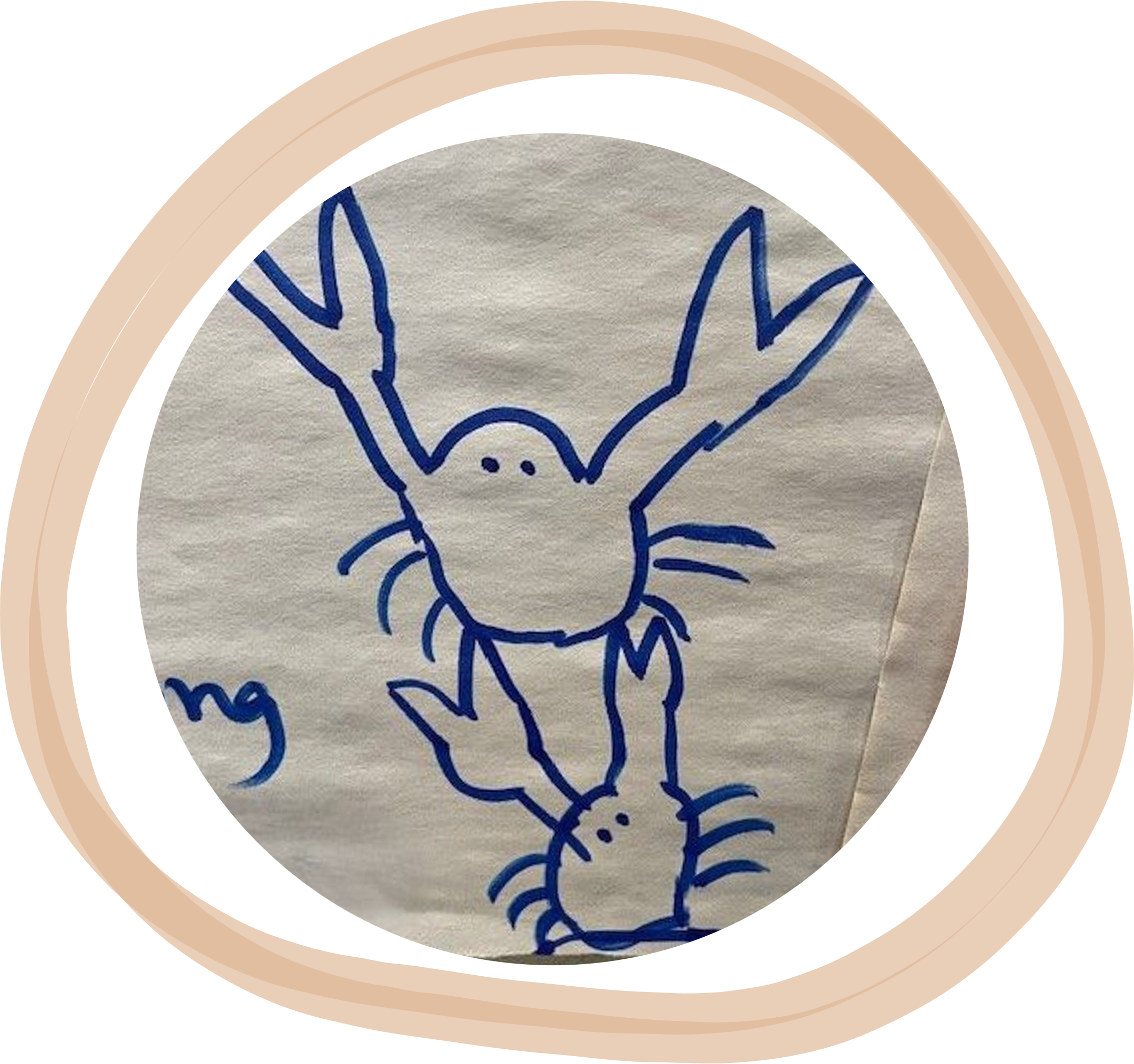
I never really thought about what the term "Crabs in a bucket" actually meant. Until a participant in one of my Lateral Violence to Lateral Kindness (LV2LK) workshops explained it in the context of the workplace.
How it sometimes feels when you're trying to succeed, but get pulled back down.
Then she drew this picture that reimagined the crabs in the bucket - pushing each other up instead of dragging them back down.
Imagine how that might feel.
The Cost of One Potato
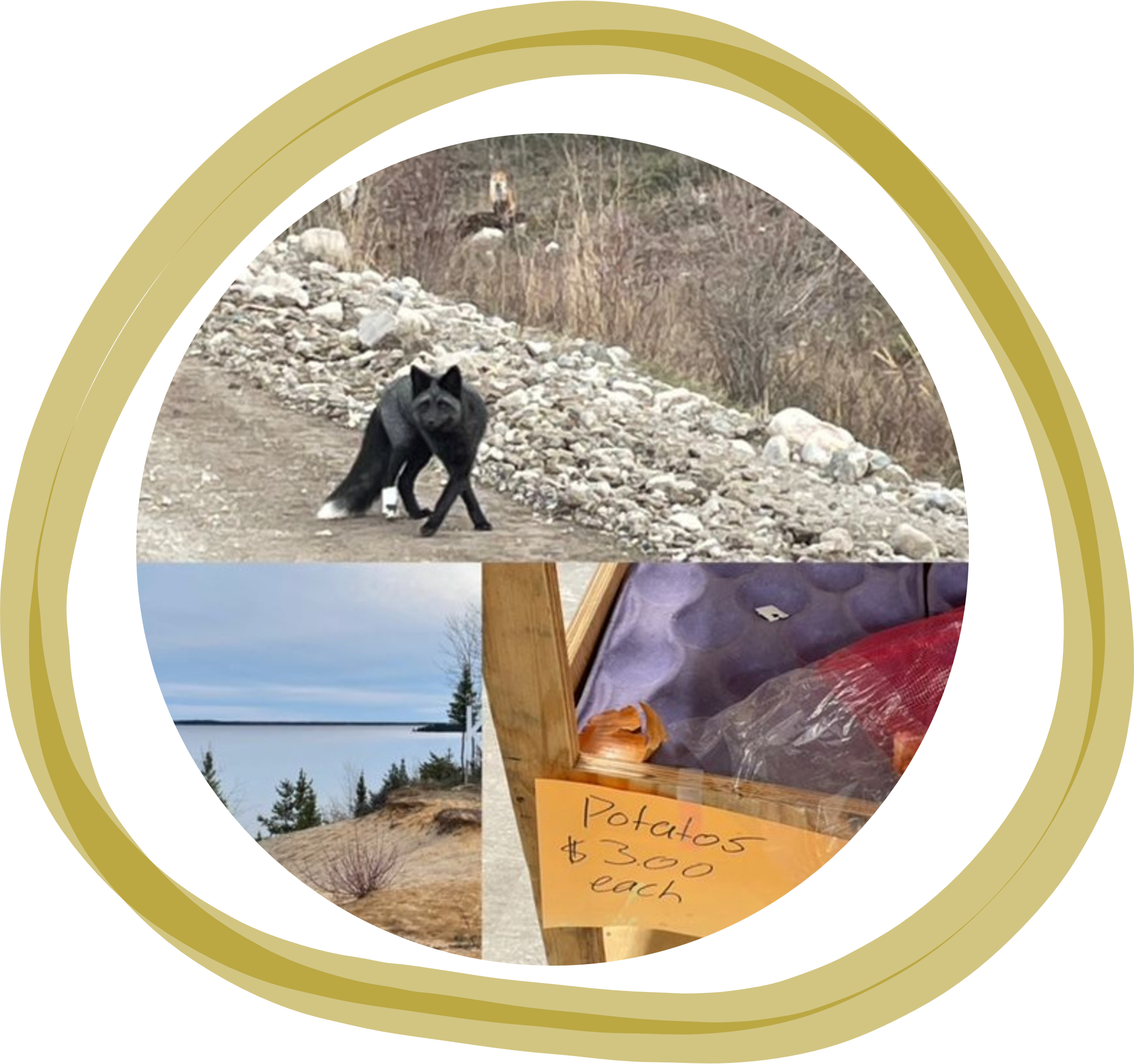
How much would you pay for one potato? Now, I've never bought just one, but from a quick search the average price for 1kg (2 lbs) of potatoes in Toronto is $4.61. Which means a single potato would cost around 60 cents (which still seems steep, tbh).
Travel further, much further, north, and the cost of one potato goes up to $3.00. Yes, some of these communities are remote with fly-in access only (except in winter via ice roads). So one would expect groceries to cost more - but 5 times higher?! And as you can see, the shelf was empty.
It’s hard to wrap your head around how geography can drive such huge differences in the cost of living. For many of us, a potato is a simple, everyday staple.
What stood out to me the most, though, was the pride these communities take in their traditions, land, and way of life. I felt honoured to be welcomed here for a Lateral Violence to Lateral Kindness (LV2LK) workshop, and their warmth, resilience, and generosity are experiences I will carry with me.
*Look at that black fox (with the red one looking on behind it)! A moment after I took this photo, they scattered because just ahead a large wolf appeared. Beautiful...